

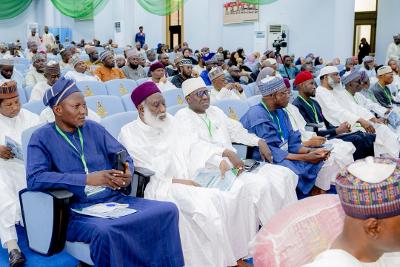
The Nigerian government, Islamic leaders and Hajj stakeholders have endorsed ongoing reforms at the National Hajj Commission of Nigeria (NAHCON), describing the changes as essential to improving pilgrimage administration and enhancing services for thousands of Nigerian Muslims travelling annually to Saudi Arabia.
Speaking at the Post-2026 Hajj Review Summit in Abuja, Special Adviser to President Bola Tinubu on General Duties, Aliyu Modibbo, representing Vice President Kashim Shettima, said the president demonstrated political courage by appointing a new NAHCON leadership based on competence rather than regional considerations, despite criticism from some quarters.
Modibbo also commended Nigeria’s National Assembly for supporting the reform process and urged Hajj administrators to uphold integrity and accountability in managing one of the country’s largest annual religious pilgrimages.
“If you do the right thing, the reward is just like that of the pilgrim. We are assured that the reward for a perfect Hajj is Al-Jannah. What then about those facilitating a perfect Hajj? That should be our guiding principle,” he said.
Nigeria is among the countries that send large contingents of pilgrims to Saudi Arabia each year, making effective planning, logistics and welfare services critical to the success of the pilgrimage. The reforms are part of broader efforts to strengthen governance, transparency and service delivery within the commission responsible for coordinating Nigerian pilgrims.
Representing the Sultan of Sokoto, the spiritual leader of Nigerian Muslims, the Emir of Dutse, Alhaji Hameem Nuhu Sunusi, praised NAHCON’s leadership for what he described as its sincerity and commitment to addressing challenges experienced during the 2026 Hajj.
The Emir said his engagements with commission officials convinced him that they were genuinely committed to improving operations and ensuring better outcomes for pilgrims. He pledged continued support from the Sultanate and other stakeholders to help Nigerian pilgrims perform the religious rites successfully and return home safely.
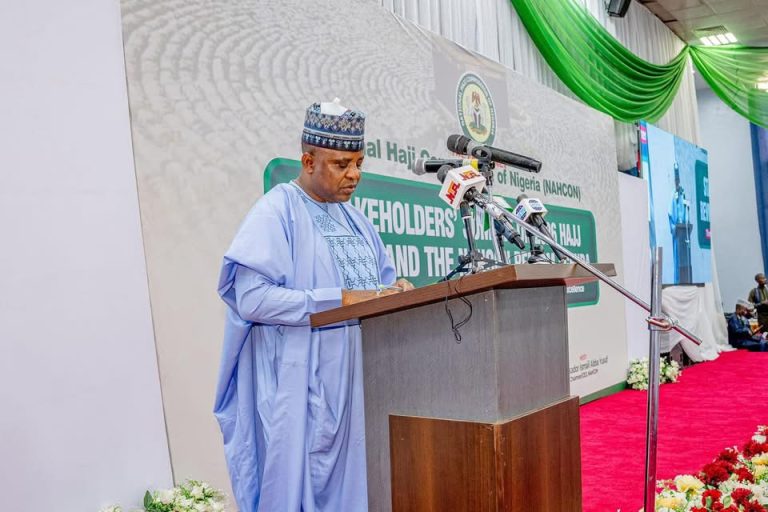
While acknowledging that many of the operational difficulties encountered during the pilgrimage were linked to third-party service providers in Saudi Arabia, he stressed that NAHCON must strengthen oversight and accountability mechanisms because it contracted the vendors responsible for delivering services.
He called for more rigorous selection processes and closer monitoring of service providers entrusted with pilgrims’ welfare in the Holy Land.
In a keynote address, Secretary-General of the Nigerian Supreme Council for Islamic Affairs, Professor Ishaq Oloyede, urged stakeholders to work collectively toward building a Hajj system where effective regulation protects pilgrims and technology simplifies the pilgrimage experience.
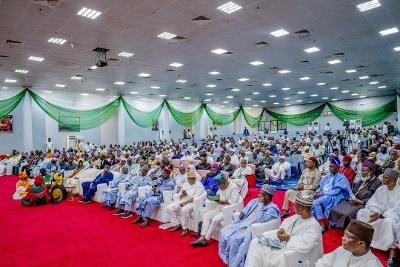
Oloyede said the success of the reform agenda would depend on leadership rooted in integrity, with public officials embracing service, operators delivering value and institutions remaining accountable to both the public and God.
He also emphasised the need for a pilgrim-centred approach, urging stakeholders to ensure that every policy, programme and operational decision prioritises the welfare, safety and overall experience of pilgrims.
