

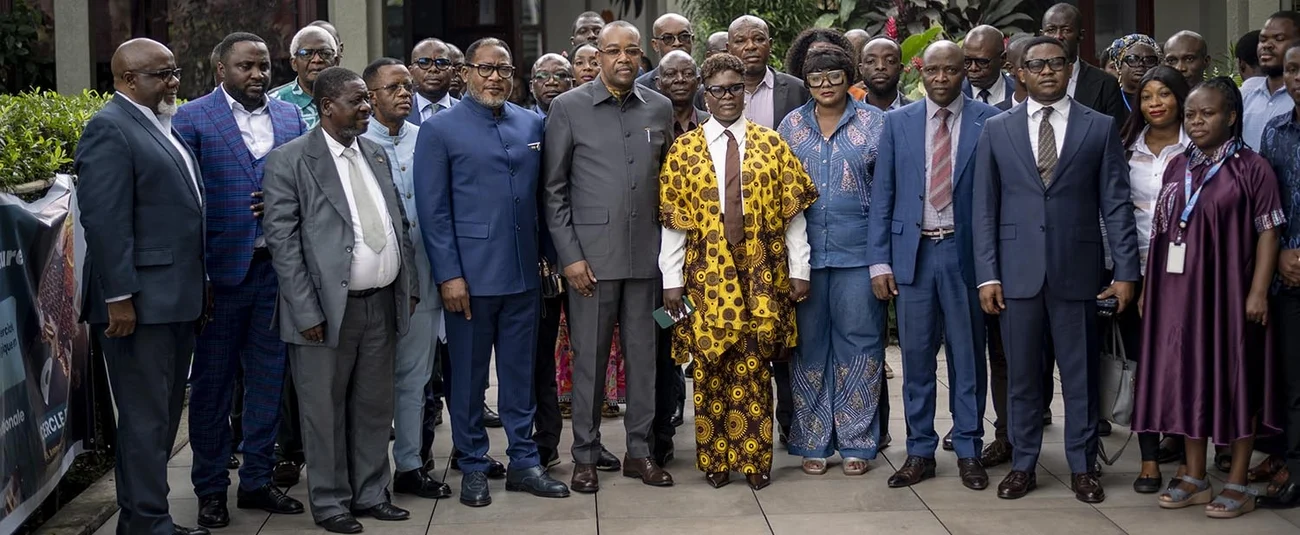
The Democratic Republic of Congo has launched its first National Beekeeping Forum in Kinshasa, bringing together government agencies, businesses, producers and development partners to transform the country’s largely informal honey sector into a competitive, export-oriented industry while creating jobs and strengthening climate resilience.
Held to mark World Bee Day 2026, the forum was organised by the National Export Promotion Agency (ANAPEX) and Green Community Mind (GRECOM), a youth-led enterprise supported by the African Development Bank Group through its YouthADAPT programme. Participants examined ways to expand commercial beekeeping, improve product quality and position Congolese honey for regional and international markets.
The gathering highlighted growing efforts across Africa to diversify economies through sustainable agriculture and climate-smart enterprises, as governments seek new sources of income, employment and export earnings amid increasing environmental pressures.
“This forum is a call to action,” said ANAPEX Director General Mike Tambwe Lubemba. “Congolese honey is rich, diverse and full of promise. Our task now is to organise the sector, improve quality, and ensure that our products can reach markets beyond our borders.”
At the centre of the initiative is GRECOM, a Kinshasa-based youth enterprise that works directly with beekeeping communities to modernise production and strengthen market access. Through its AI-powered digital platform, Nyuki Tech, beekeepers can monitor apiary performance, optimise production and connect with buyers. The company says the platform has helped increase honey production by 10%.
GRECOM has also introduced Apicard, a product identification and traceability system designed to improve visibility and market recognition for beekeeping products. In addition, the adoption of solar energy has reduced power costs by 60% in honey processing, packaging and beehive manufacturing operations.
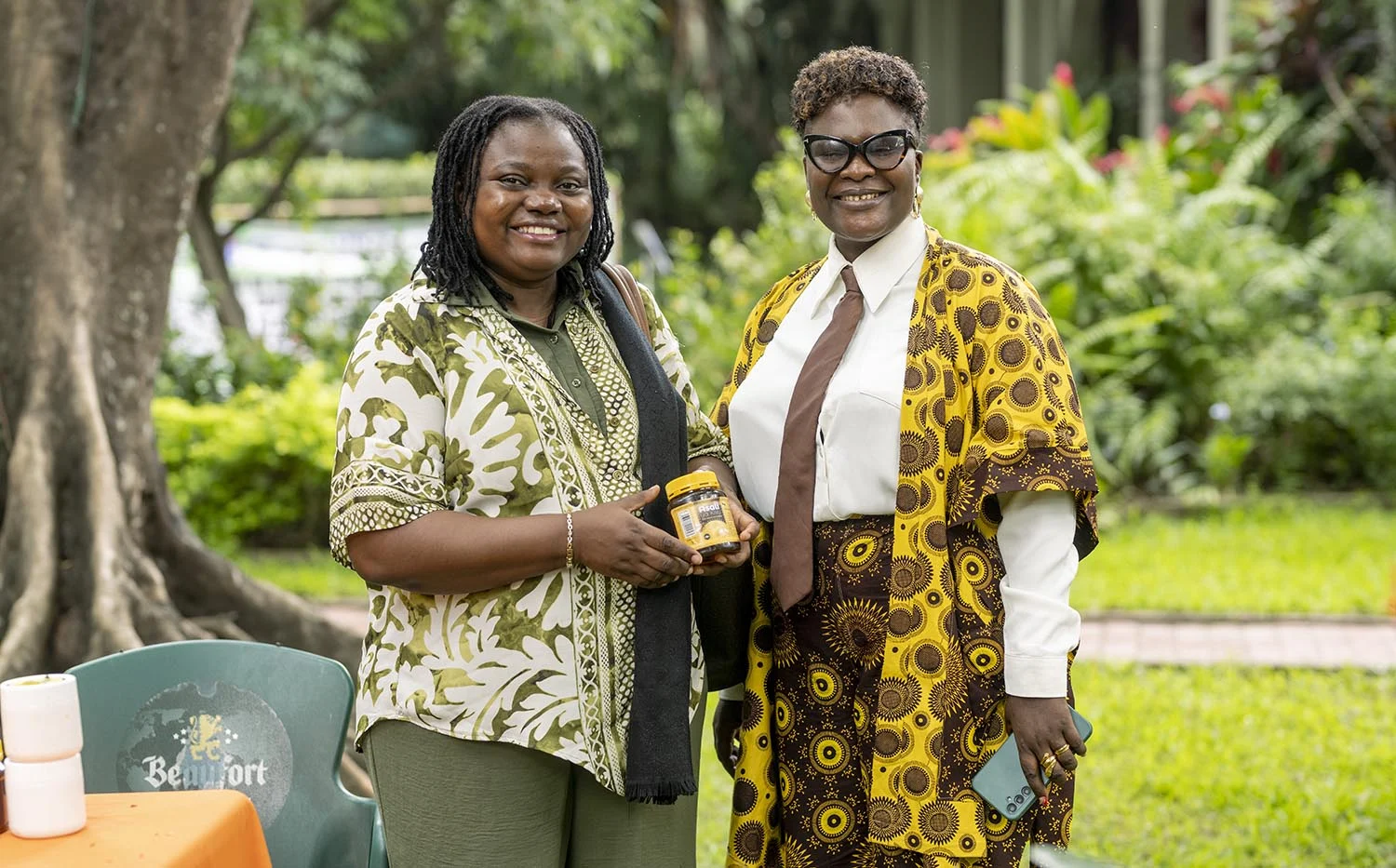
For GRECOM Director General Deborah Nzarubara, the forum demonstrated how youth-led innovation can transform rural value chains and strengthen local economies.
“Beekeeping is not only about honey,” she said. “It is about jobs for young people, income for communities, biodiversity protection and a new way of building resilience from the ground up.”
The event featured honey, honey wine and other value-added products from producers across Kivu, Equateur, Kongo Central and the Bateke Plateau, showcasing the diversity and commercial potential of the country’s beekeeping sector.
The African Development Bank used the forum to highlight the role of climate finance in supporting young entrepreneurs and community-based adaptation projects across the continent.
“GRECOM shows that climate adaptation can be practical, investable and rooted in local enterprise,” said Charlotte Eyong, the Bank’s Regional Principal Climate Change and Green Growth Officer for Central Africa. “Through YouthADAPT, the Bank is supporting young entrepreneurs who are creating jobs, strengthening value chains and helping communities build resilience.”
YouthADAPT, implemented under the Africa Adaptation Acceleration Program, has invested $5.4 million in 41 youth-owned enterprises across 20 African countries, creating nearly 10,700 jobs. GRECOM received support under the programme’s third cycle through funding from the African Development Bank’s Africa Climate Change Fund.
As African countries seek to balance economic growth with climate adaptation, the Congolese initiative illustrates how sustainable agriculture and youth entrepreneurship can help build resilient local economies while opening new export opportunities. In the Democratic Republic of Congo, stakeholders say beekeeping is emerging as more than a source of honey, it is becoming a pathway to jobs, environmental protection and inclusive growth.
/AFDB
